
Observing problems is often easier than resolving them
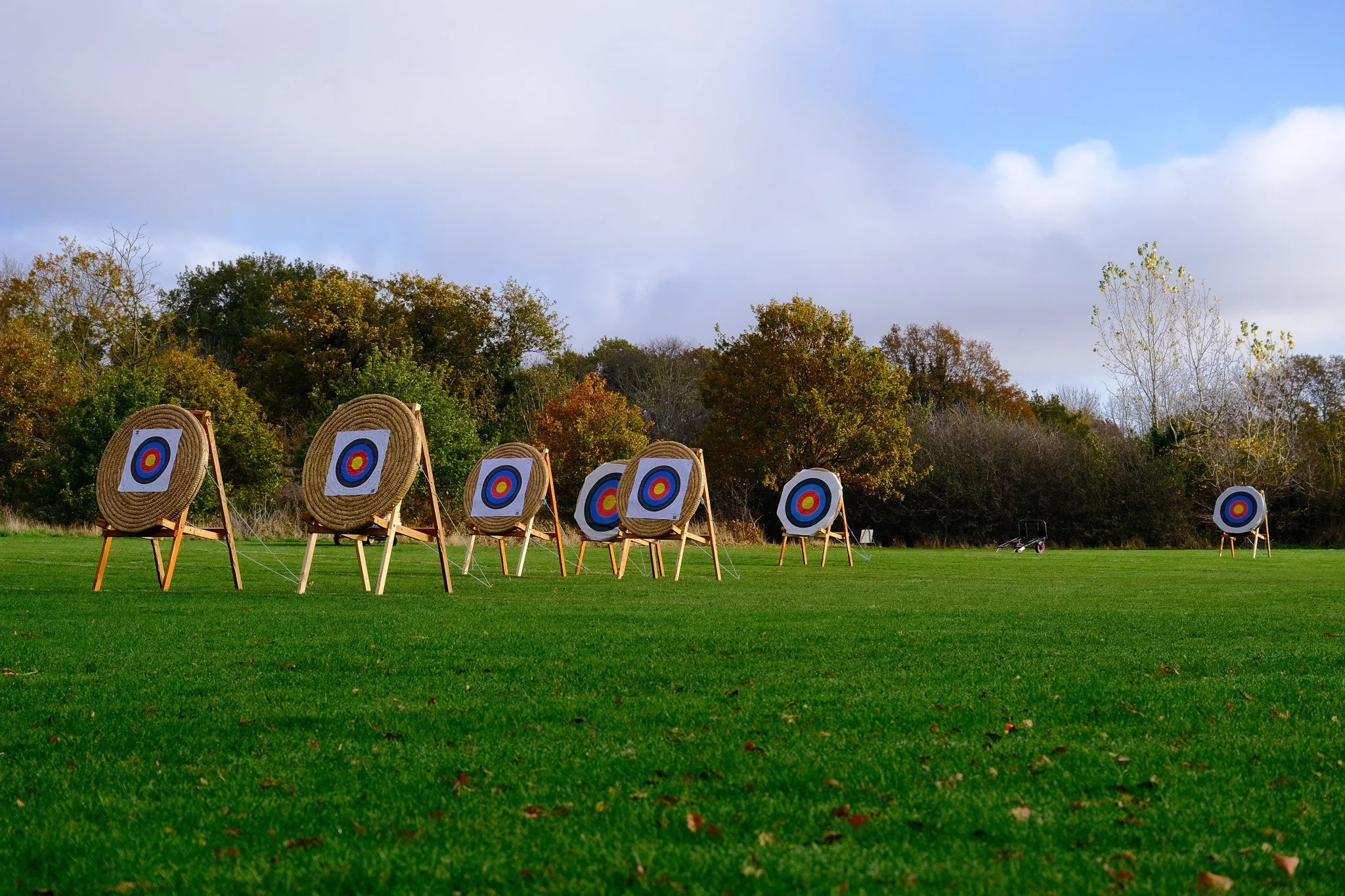
There are a lot of technique aspects to choose from - what should the archer target first?
It is quite common among intermediate archers, who have completed their beginner course and have been practicing on their own for a while, to lack clear direction on what to work on to improve their shooting. We know that our technique is not perfect, but what we should work on when practicing is not an easy problem to solve.
When I first work with clients, I often ask them what do they think the weakest part of the shot is, and what technique aspect would they like to address first. More than 50% of the time, the response is to work on their release, either they find themselves plucking or lacking consistency. At the same time, through my observations, 90% of the time the solution to a poor release is not due to a lack of knowledge on how to release, but rather due to details that requires attention at earlier stages of the shot, such as establishing a good hook and a reasonable body alignment.
Challenge 1: Body Awareness
Archery is a kinesthetic sport: it relies heavily on how your body feels and moves, not just on what you see. To shoot consistently, the archer must move in almost exactly the same way every time: same posture, same anchor, same release. Tiny variations can change the outcome.
This means that, before learning advanced technique, one of the main difficulties for an intermediate archer is understanding how their body is moving during the shot.
If an archer is not able to clearly feel what their body is doing—how the shoulders sit, how the back is engaged, or how the fingers hook onto the string—they won’t notice when something is wrong. Without awareness, there is very little chance of fixing it.
Therefore, training body awareness is a foundational skill for archers looking to progress further. Using specific form drills, mental practice such as meditation, and focused, mindful shooting helps you tune into your body.
“Tracing the cause often requires a certain level of body awareness and a good theoretical and practical understanding of the shot process, as well as biomechanics for more complex issues.”
Challenge 2: Looking Past the Obvious
Spotting a technique problem can often be done through observation—for example, by shooting in front of a mirror or recording yourself.
The difficulty, however, is that what we see is usually the result of the problem, not the underlying cause. Tracing the cause often requires a certain level of body awareness and a good theoretical and practical understanding of the shot process, as well as biomechanics for more complex issues. In many cases, the true cause of technique issues can seem unrelated at first glance and is not immediately obvious.
Challenge 3: Choosing the Right Fix
Nowadays, there are plenty of resources available, such as books, videos, blogs, various social media groups, where you can find advice and information on specific aspects of technique. These sources can offer useful ideas and potential fixes to try when you are struggling with a part of your form.
However, as mentioned above, visible technique issues are often symptoms rather than root causes. This means that applying surface-level fixes might just be a patch, rather than a true solution.
Final Thoughts
The main difficulty in self-coaching is not a lack of initiative or motivation. In fact, even if we were to consciously select a random aspect of our technique to work on, we would probably see some improvement in that area. The real problem is uncovering the true cause behind the issues we observe. What we can easily see – a poor release, inconsistent groups, or unstable posture – is usually just a symptom. The actual cause tends to sit hidden underneath.
This is why body awareness must be developed before technique can truly be refined; accurate diagnosis of form issues must come before meaningful correction; and with the information available today, it can be tempting for the archer try and treat symptoms instead of causes.
For many archers, this process of trial and error can still lead to gradual progress. But if you are genuinely serious about accelerating your development, establishing good habits, and avoiding long stretches of frustration, it is worth considering guidance from a coach. A good coach can help you navigate these challenges more efficiently by identifying the aspects that will gain you the most points in the shortest time and by providing accurate corrections that move you forward.